
13 Days on Safari, and the 4Trip Feature I Built Along the Way
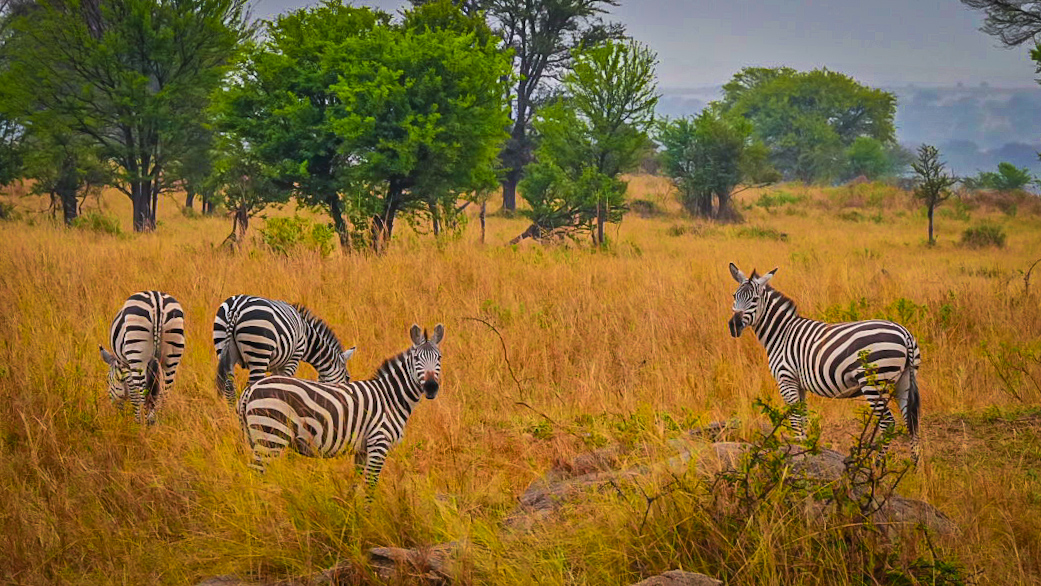
Thirteen wild days: our family safari across Tanzania
In late July, our whole family landed in Nairobi for a trip we had talked about for years. Over thirteen days we went from the foot of Kilimanjaro, across Tanzania’s Northern Circuit, to the beaches of Zanzibar. It’s the best season of the year to go, when the parks hold more kinds of animals than we could count.
Our travel agency sent the day-by-day plan as an Excel sheet, and I imported it seamlessly into 4Trip, the travel assistant app I founded and built. That made this trip a little different for me. I wasn’t only a parent on vacation. I was also our own most demanding user, testing the app in exactly the places it’s supposed to shine: without signal, in a language we don’t speak, with moments that happen once and never again.
Here’s what the trip looked like, and what it taught me about the product.
The route, in three acts
Our itinerary, “Wild 13 Days in East Africa,” started in Kenya, crossed into Tanzania for the big parks, and ended on the coast.
Act one: Amboseli, under Kilimanjaro (Days 1 to 3)
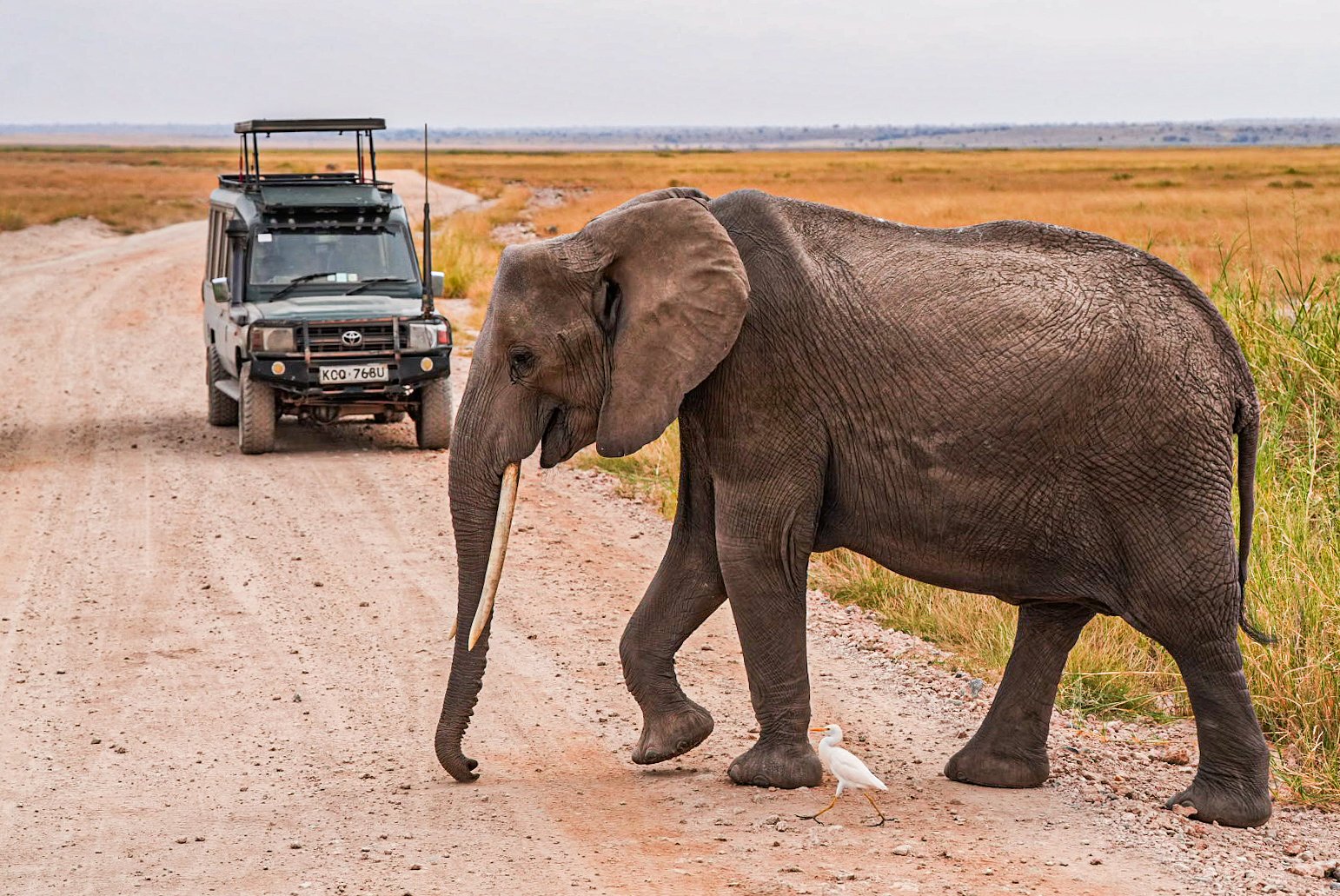
Our driver took us from the airport in Nairobi straight to Kibo Safari Camp in Amboseli, just in time for our first evening of safari light. Day 2 was a full loop of Amboseli’s wildlife. Our first big sighting was a lone elephant with one huge tusk, crossing the road right in front of us. The kids are still talking about it. That was when I started wondering how the map could hold on to once-in-a-lifetime moments like this one. On Day 3 we crossed the border into Tanzania and spent the night at Gran Meliá Arusha.
Act two: Tanzania’s Northern Circuit (Days 4 to 9)
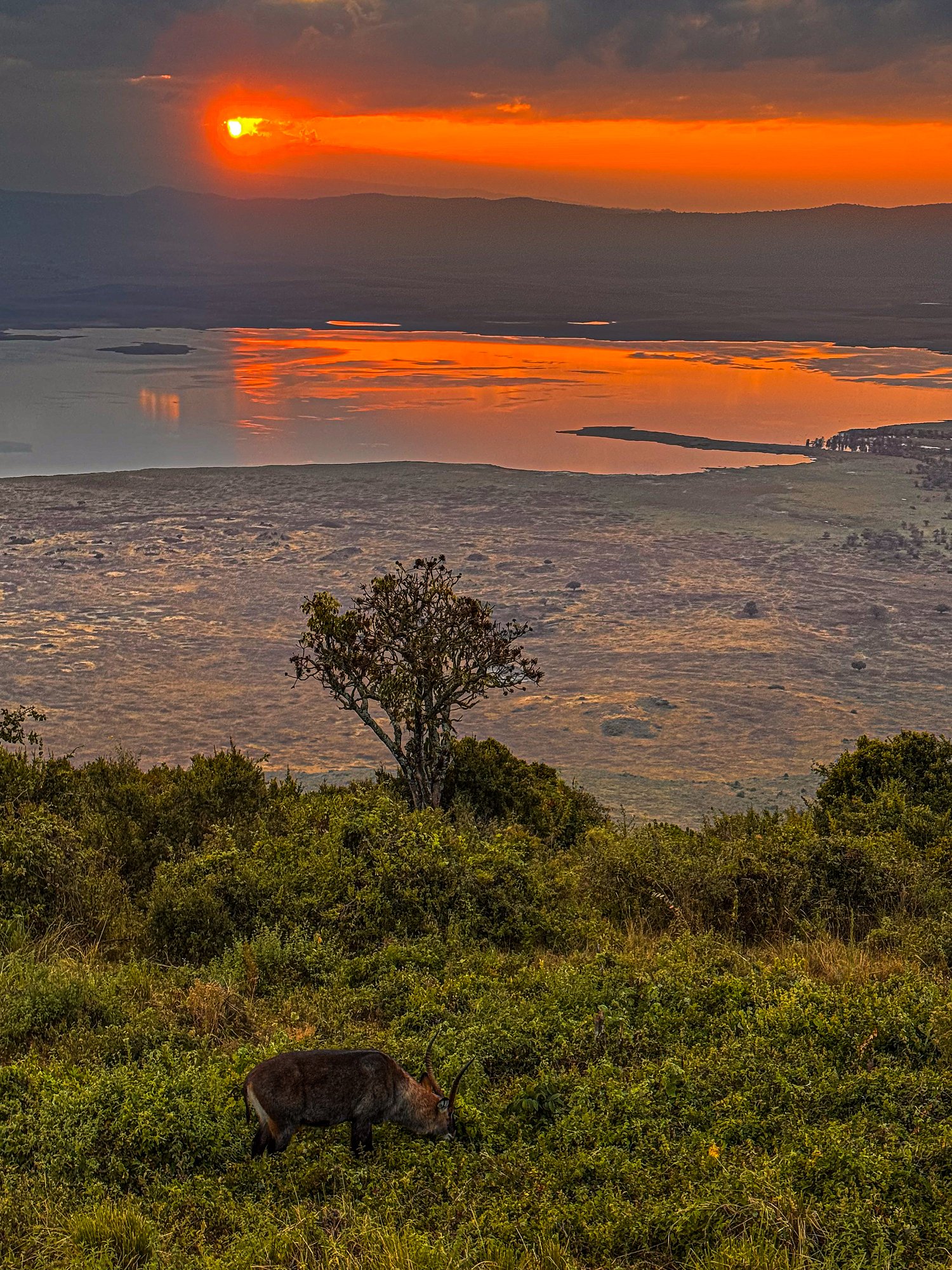
Tarangire came first: baobab trees, elephants, and a night at Tarangire Elephant Springs. On Day 5 we climbed to the rim of the Ngorongoro Crater and stayed at Ngorongoro Serena Safari Lodge, looking down into the caldera. On the way to Ngorongoro, I used 4Trip’s live translation to bargain in Swahili with local sellers, and we walked away with a bunch of small, sweet red bananas for half the asking price. The next morning, the sunrise over the crater left all of us speechless.
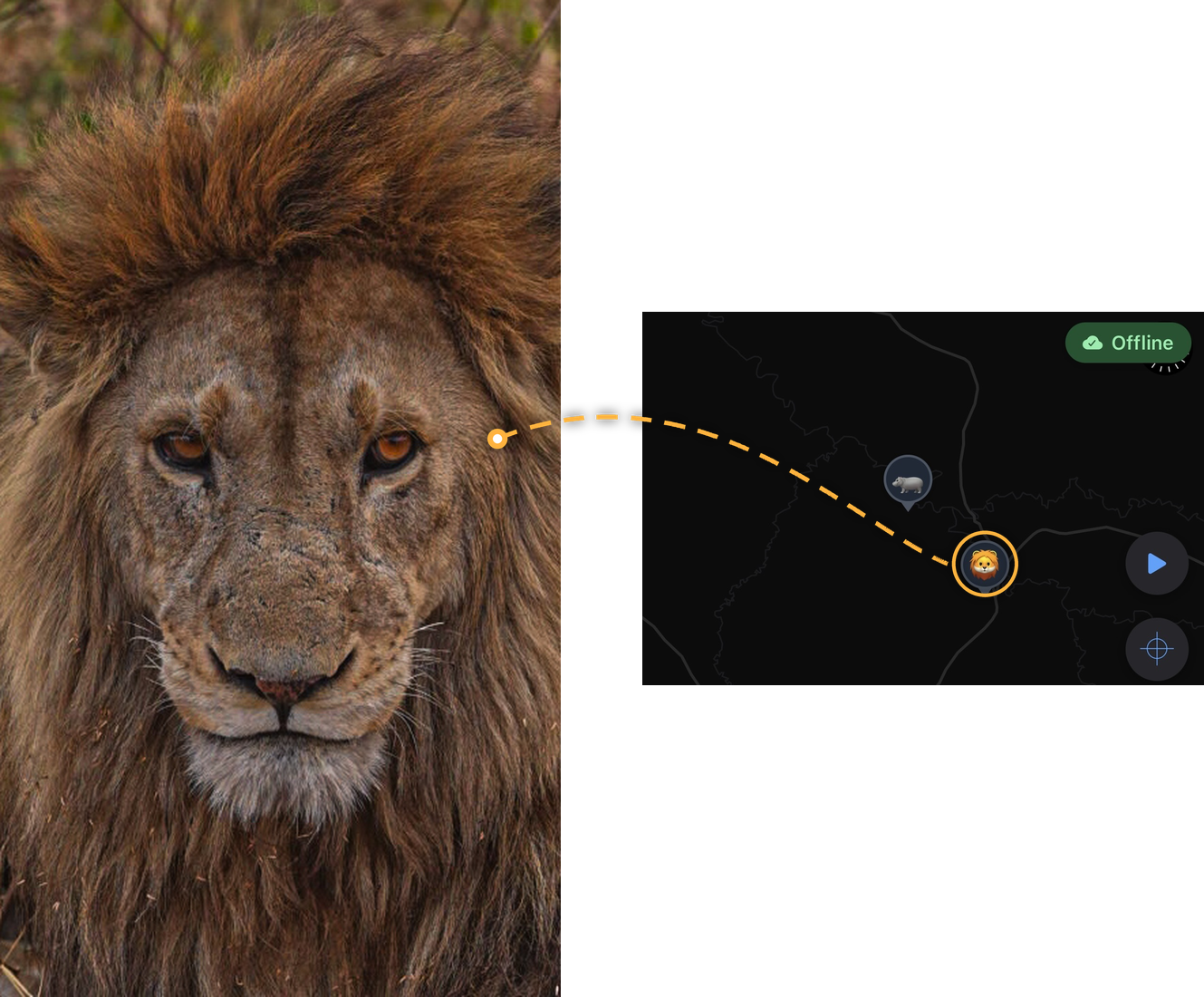
Then the Serengeti. On the drive in, I finally finished building pinned stops: a way to drop a pin on the offline map and record what we saw at that exact spot. We spent two nights at Serengeti Explorer, chasing sunrises, big cats and watering holes around the Seronera Valley. I got a perfect headshot of a real-life Simba (or Scar, lol) and dropped a pin on the exact spot to mark the moment. Feature test complete! From that day on, I kept pinning moments on the map and kept improving the feature.
On Day 8 we moved north to TAASA Migration Camp for the reason most people come this far: the Mara River crossing. We were lucky enough to see a crossing, including one grim moment when a group of crocodiles caught a wildebeest. And of course, we pinned these moments on the map, even offline.

Day 9 was one last round of river light before we headed to the Kogatende Airstrip.
Act three: Zanzibar (Days 10 to 13)
We flew to Zanzibar and swapped dust for salt water. Day 10 took us to Prison Island. On Day 11 we snorkeled at Mnemba Atoll and watched the sunset from The Mora Zanzibar. Day 12 was spice trails and the stone streets of Stone Town. On Day 13 we said goodbye to the island and flew home. The trip left us with endless memories, and the kids are already talking about going back. Thanks to 4Trip, everything went smoothly, even though we had no signal most of the time.
Where 4Trip earned its keep
The offline map
Out in the parks, a phone signal is a bonus, not a given. Most days we had no signal, even with the local SIM cards we bought after landing. Before we left, our whole route lived in 4Trip: every camp, lodge, airstrip and stop on the map. With the offline map, we could still see where we were, where tonight’s camp was and what came next, without a single bar.
The offline map showed our current location and how far we were from the hotel or the next stop, so we could plan our time in the car: take a nap, chat with the driver, or ask to stop at the nearest bathroom.
For a family of travelers, that matters more than it sounds. When everyone can see the plan, nobody has to keep asking “how much longer?” Well, fewer people do.
Translation
Swahili is the language of everyday life in Tanzania. 4Trip didn’t just help us understand what people were saying. We picked up some Swahili along the way, and the kids got really good at saying jambo, asante and karibu. By the end of the trip they could even sing local version of Hakuna Matata. Whenever English didn’t work, at local markets, spice shops and hotels, 4Trip’s translation filled the gap, and we got to chat with locals and hear their stories. We even used it to help a French couple at the Kenyan border who spoke no English at all. They hadn’t downloaded their e-visa, their phones had no signal, and they couldn’t explain why they needed Wi‑Fi to show it. It turned short, polite moments into real conversations, which is a big part of why people travel this far.
The feature I built on safari: pinned stops
An itinerary tells you where you plan to go. It doesn’t remember where the magic actually happened.
I kept running into that on this trip. A crocodile in the Mara River. A lion that looked straight down the lens. A migration camp with no recorded location. These weren’t stops on our plan. They were moments, at a spot on the map, that we would never get back. So I built it, right there on the trip. Pinned stops let you pin a once-in-a-lifetime moment to the exact place it happened, so the trip map becomes a record of what really happened, not just what was planned. Dropping one is as easy as a long press on the map, online or offline.
Building a feature at the hotel every night and morning, for a problem I was living that same day, is the best product work I’ve done in a long time.
Going home with more than photos
If you’re dreaming up your own safari, you can follow ours: here’s the full itinerary we used, from Amboseli to Zanzibar. Plan or import one in 4Trip, take the map offline, and pin the moments you’ll want to find again. If you enjoyed this post and want to try the app, scan one of the QR codes below: